


To enforce divorce in Dubai, the party seeking finalization must file the case with the court, present all required evidence, and comply with either of the two legal frameworks depending on the couple’s religion and nationality.
In any divorce case, legal enforcement means securing an official court judgment that recognizes and implements the termination of the marriage.
This process ensures the divorce is recognized by authorities in the UAE and internationally, where applicable.
Contact our expert lawyers in the UAE. Click the WhatsApp icon below.
Table of Contents
Enforce Divorce in Dubai
For Muslim expatriates and non-Muslims who do not opt for civil law, divorce is enforced by Federal Decree-Law No. (41) of 2024. To enforce a divorce under this law:
- Pronouncement and Documentation: The husband must pronounce the divorce (or the wife may initiate khula) and submit it to the court within 15 days.
- Court Filing: The divorce casmust be officially filed, including all relevant evidence, such as witness testimony, communication records, or any proof of harm or failure in maintenance.
- Court Judgment: Once verified, the court issues a judgment. Without timely documentation, the wife may claim compensation.
Common enforcement-related scenarios include:
- A husband refuses to document the divorce.
- One spouse claims the other caused harm or abandoned the marriage.
- A wife seeks khula, but the husband is uncooperative.
In all cases, the court intervenes and legally enforces the divorce upon completion of procedures and review of evidence.
For Civil Personal Status cases under Federal Decree-Law No. (41) of 2022, the divorce inforce process is:
- Initiation: Either spouse submits a unilateral request to divorce — no justification or proof of harm is needed.
- Court Notification: The court informs the other party and sets a hearing date.
- Final Decree: If neither party objects or no reconciliation is required, the court issues a binding divorce order.
This process is straightforward and significantly easier to enforce because it is based solely on the individual’s wish to end the marriage.
What Happens if a Divorce Isn’t Filed?
A verbal divorce or khula without filing is not enforceable in Dubai. To protect both parties’ rights, enforcement through a court judgment is essential.
Courts may reject cases that are not filed correctly or lack required evidence, especially under the Personal Status Law.
In both legal frameworks, divorce cannot be retroactively enforced unless documented within the required timeframe.
Thus, it’s critical to act promptly and consult legal experts.
Our family law attorneys in Dubai offer expert services for both Muslims and non-Muslims. These include:
- Divorce Case Filing: Preparing and filing divorce cases under the correct UAE law.
- Evidence Compilation: Gathering, organizing, and presenting relevant evidence in court.
- Court Representation: Representing clients during hearings, including language and procedural support.
- Khula and Harm-Based Divorce: Legal assistance in forced or compensation-based divorce processes.
- Civil Divorce Enforcement: Managing civil law divorce cases, especially when one party is abroad.
- Cross-Jurisdiction Divorce: Advising expats who wish to apply foreign laws under UAE legal options.
- Post-Divorce Enforcement: Ensuring alimony, child custody, or compensation terms are legally enforced.
Contact us to discuss how we can protect your rights and enforce your divorce efficiently under UAE law.
Find more services:
- Our lawyers in Dubai.
- Best Divorce Lawyer in Dubai, UAE.
FAQs about Divorce Enforcement in Dubai
Contact our advocates in the UAE for professional help. Click the WhatsApp icon below.
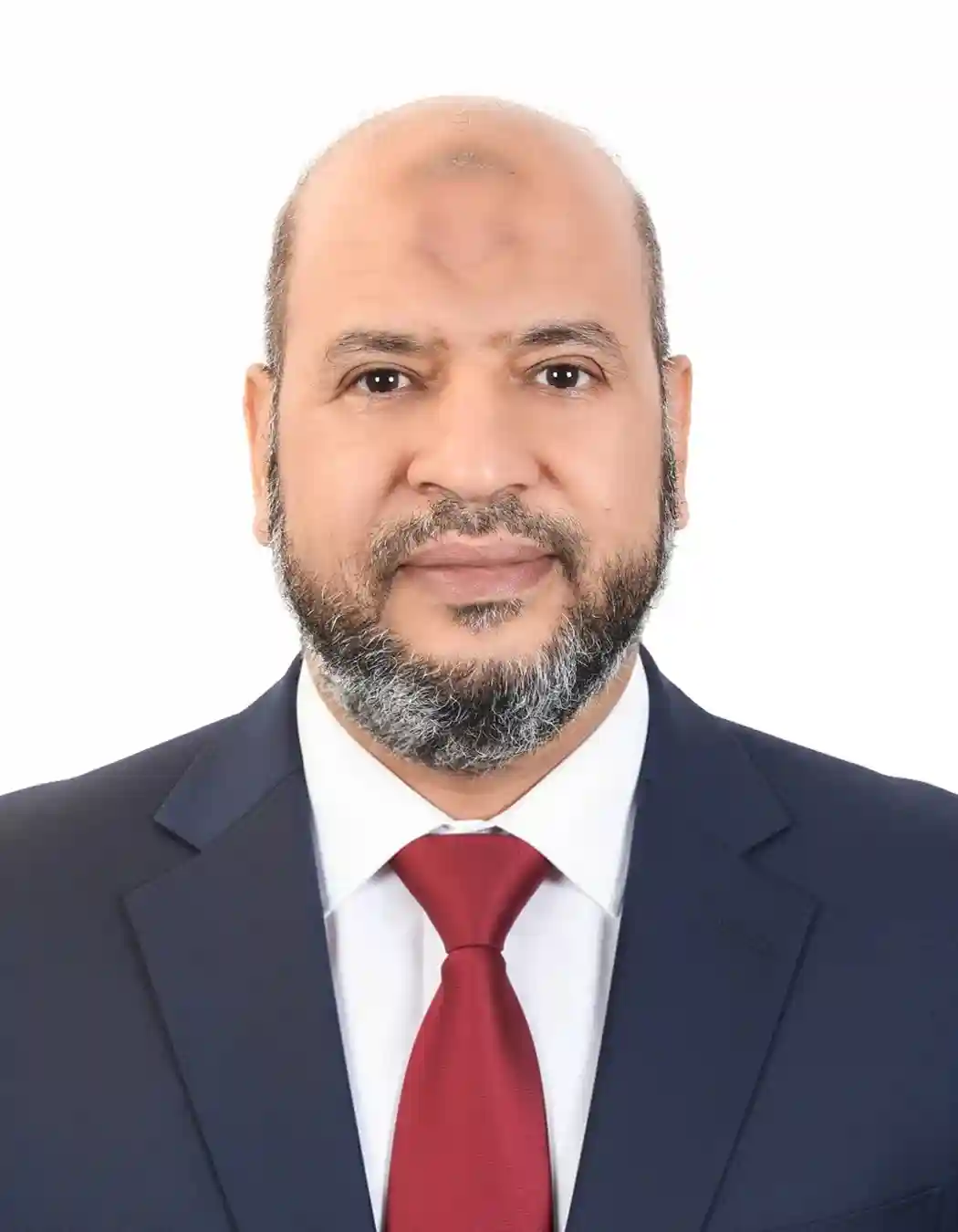
This article was written and legally reviewed by Dr. Mohamed Abdel Hamid Al Ramlawy-Attorney, Legal Consultant, and International Arbitrator (registered under No. 120365 since 29/01/1992). He brings over 30 years of practical experience in advocacy, litigation, legal consulting, contract drafting, and arbitration, with extensive expertise in criminal, civil, commercial, labor, Sharia, and administrative law.
He focuses on delivering clear and precise legal content to help readers understand their rights and options before taking action. His articles blend simplified language with deep practical experience, providing educational legal knowledge (which does not substitute for direct legal consultation on specific cases).